Mesa released version 26.3.1 on November 18. Its fixes include a performance regression in FSR 4.1 workloads running on RADV, the open-source Vulkan driver for AMD GPUs. That is a targeted fix, not a promise of higher frame rates in every game.
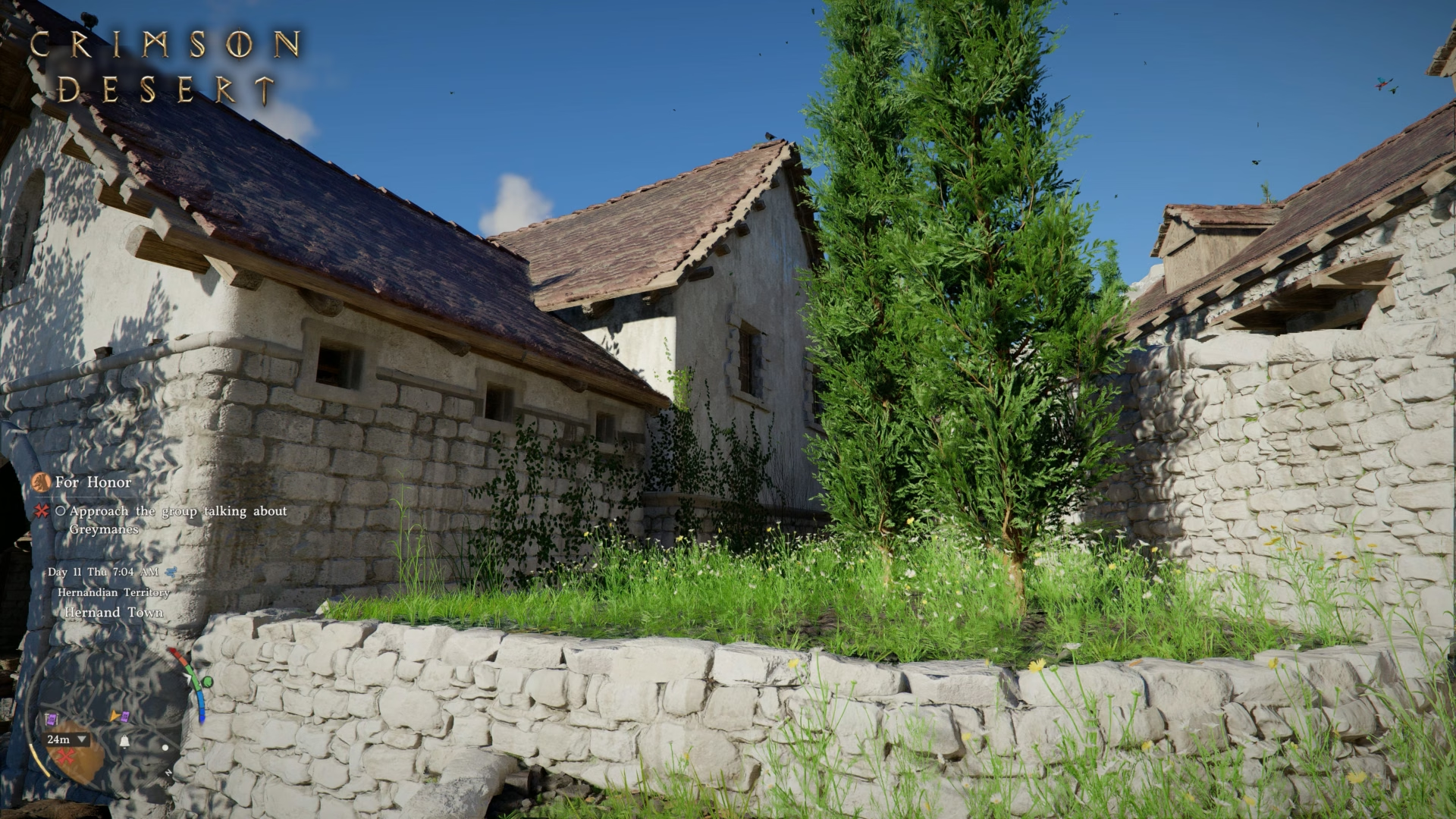
AMD’s Crimson Desert image illustrating FSR 4.1. This is not a Mesa benchmark.
What caused the slowdown?
The official Mesa release notes point to the Vulkan extension VK_EXT_descriptor_heap. It is part of how an application makes resources such as textures and buffers available to shaders. The documented slowdown affected this RADV path in FSR 4.1 workloads; the fix does not change AMD’s image reconstruction algorithm.

Is it worth updating now?
If your package manager already offers Mesa 26.3.1 and you game on Radeon under Linux, the usual update channel is the sensible route. The upstream release does not tell us when each distribution or SteamOS will ship it. The release notes give no affected-game list, GPU list or frame-rate figures for this fix.
To check for a difference, repeat the same scene at the same resolution and FSR mode. Compare frame times as well: they can reveal variations the average FPS hides. This release is not a Windows Adrenalin update and does not change ROCm support.