
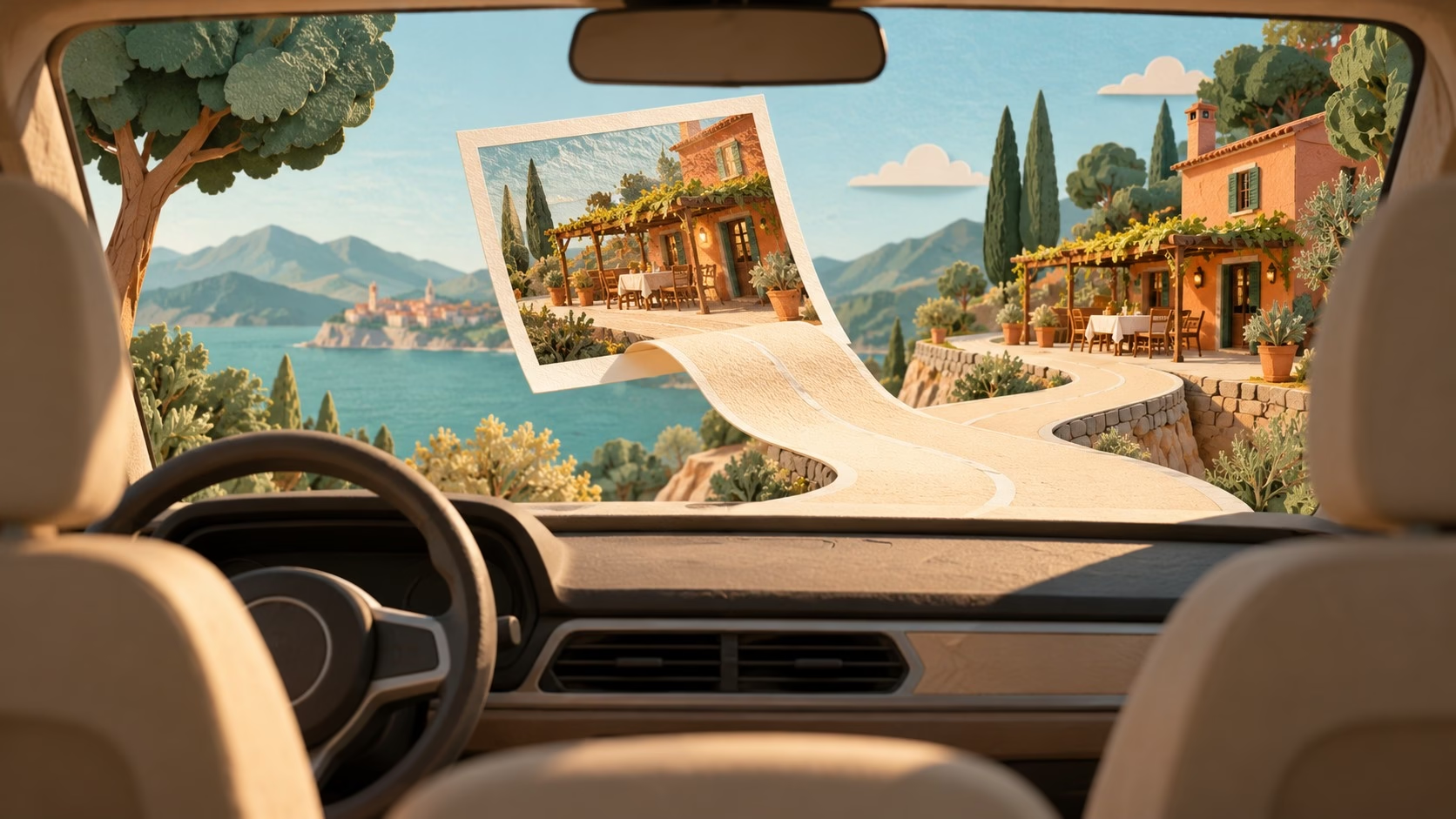
Personalisation is coming to Android Auto with a promise more interesting than conversation: retrieving the context you have already left in your apps.
You remember the place, but not its name. You passed it last week, took a photo and thought about going back. Until now, turning that memory into a destination might mean finding the image, identifying the business and opening a route. This small chore is exactly what Google wants Gemini to handle inside the car.
On 20 October, the company announced the start of the rollout of Personal Intelligence on Android Auto, the system that brings phone functions to the screens of compatible vehicles. With permission, the feature connects information from services such as Gmail, Calendar, Photos and Maps. One official example is finding a car wash photographed previously and providing directions to it.
The important detail is what the person no longer needs to explain. A traditional command needs a sufficiently precise destination. An assistant with access to context can try to work out which destination you meant. That changes the task: rather than simply following an instruction, it must interpret the reference and retrieve the right information.
Consider returning to that restaurant whose name nobody remembered. The value lies in resolving the reference without making someone reconstruct the whole story. An elegant response that picks the wrong restaurant, however, merely shifts the work: now someone must spot the mistake and correct the route. That kind of accuracy, not a friendly voice, should guide the assessment of the feature.

Convenience also depends on an earlier choice. According to Google, apps are connected only when the user enables personalisation, which can be turned off in settings. Declining this connection does not prevent the use of standard car functions, such as navigation and music. The privacy documentation adds that, depending on activity settings, excerpts and information extracted from these apps may be used to improve models. Connecting services deserves a conscious decision, not just pressing a button to try something out.
The rollout is gradual for eligible personal accounts belonging to adults over 18, with regional restrictions. Business and education Workspace accounts are excluded. Personalisation in cars with Google built directly into the vehicle is planned for the coming months. These are different situations; the announcement does not mean every driver will find the feature today.
Mais FPS has not yet tested this experience. Nor does this announcement demonstrate that it reduces distractions or accidents. It is worth resisting the temptation to confuse a task performed by voice with a task that requires no attention.
The most interesting proposition is far less futuristic: sparing drivers from explaining information that already exists elsewhere. If it works clearly, it will be useful precisely when the conversation can end sooner. Nobody needs a meeting with the dashboard just to get to lunch.
Watch Google’s official demonstration in the original announcement.
Conceptual illustration: Mais FPS, created with AI.