
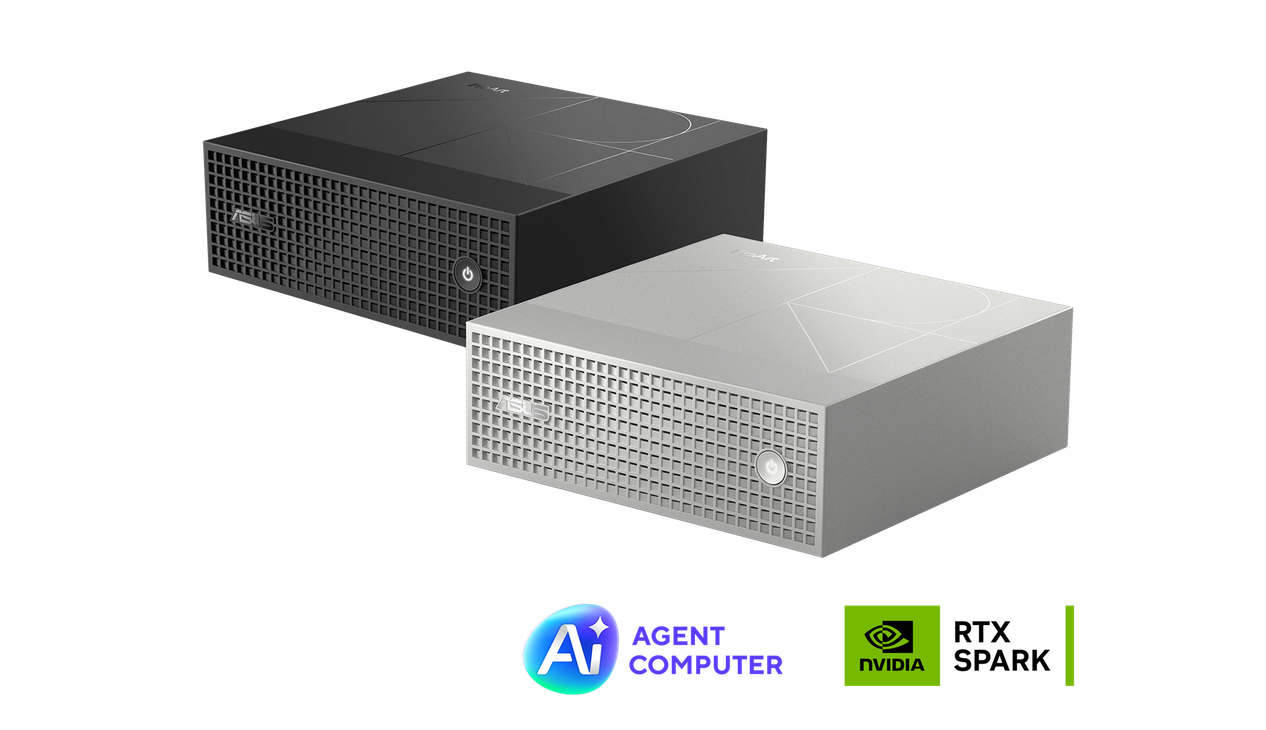
ASUS’s mini PC offers up to 128 GB of shared memory. With DLSS off, however, the RTX 5070 Ti desktop topped 60 fps while the ProArt GR1X fell short of 30.
A useful test for gamers
Tom’s Guide tested Cyberpunk 2077 at 1440p with Ultra ray tracing and DLSS off. The ASUS ProArt GR1X reached 28.29 fps, while the publication’s custom RTX 5070 Ti desktop hit 62.11 fps at the same settings. This is one test of two complete systems, not an isolated chip comparison or a prediction for every game.
120 fps is not the same as 120 native frames
With DLSS 4.5 Balanced and Dynamic Frame Generation, the same mini PC reached 120.3 fps in Cyberpunk. That uses a different internal rendering resolution and counts generated frames. It can look smoother, but it does not mean the PC rendered 120 native frames per second. The counter alone also doesn’t tell you input latency.
When the extra memory matters
ASUS offers 64 GB or 128 GB of unified memory that the CPU and GPU share. That can help fit larger local AI models, but it isn’t dedicated VRAM and it doesn’t tell you how fast the model will run. This Windows 11 RTX Spark mini PC isn’t DGX Spark. If games come first, I’d start with desktop benchmarks in the titles you actually play. For local AI, first check that your target model fits and runs well with your chosen software.

Tom’s Guide · ASUS: ProArt GR1X · ASUS Pressroom · Previous coverage: what shared memory changes