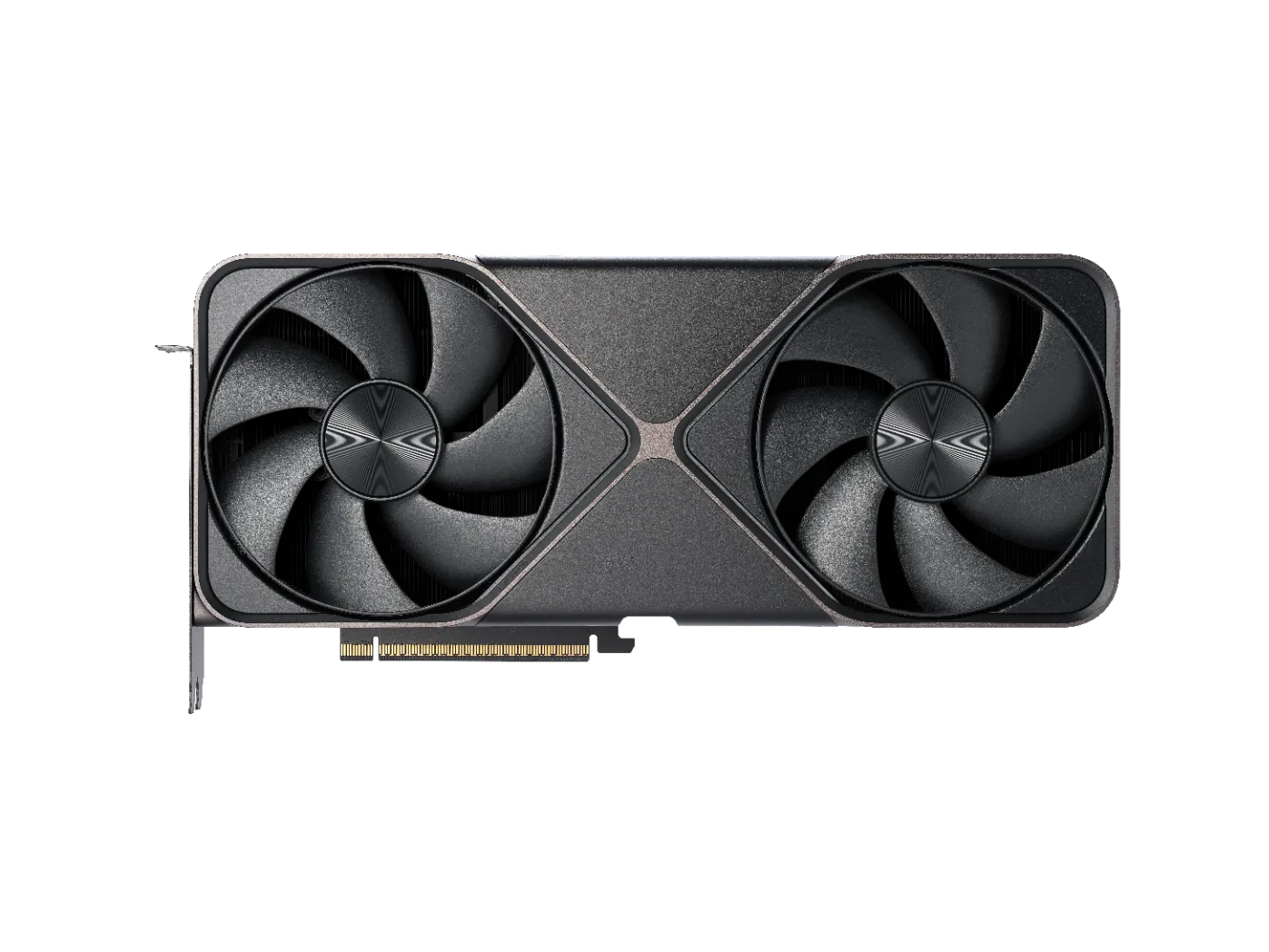

The martial-arts game uses neural rendering to change how light falls across a scene. You can turn it off.
A character steps out of sunlight and under a roof. Does the face still look like the same person? That sort of transition is what the Where Winds Meet team tuned while integrating DLSS 5. On November 23 the studio announced support for NVIDIA’s neural rendering on GeForce RTX 50 cards and pointed players to Game Ready driver 621.24.
What changes on screen
DLSS 5 starts with the frame the game already rendered, then adds lighting and material detail. The team says it adjusted highlights and shadows without giving up character expressions or the mood of the scenery. That’s different from simply raising the resolution.
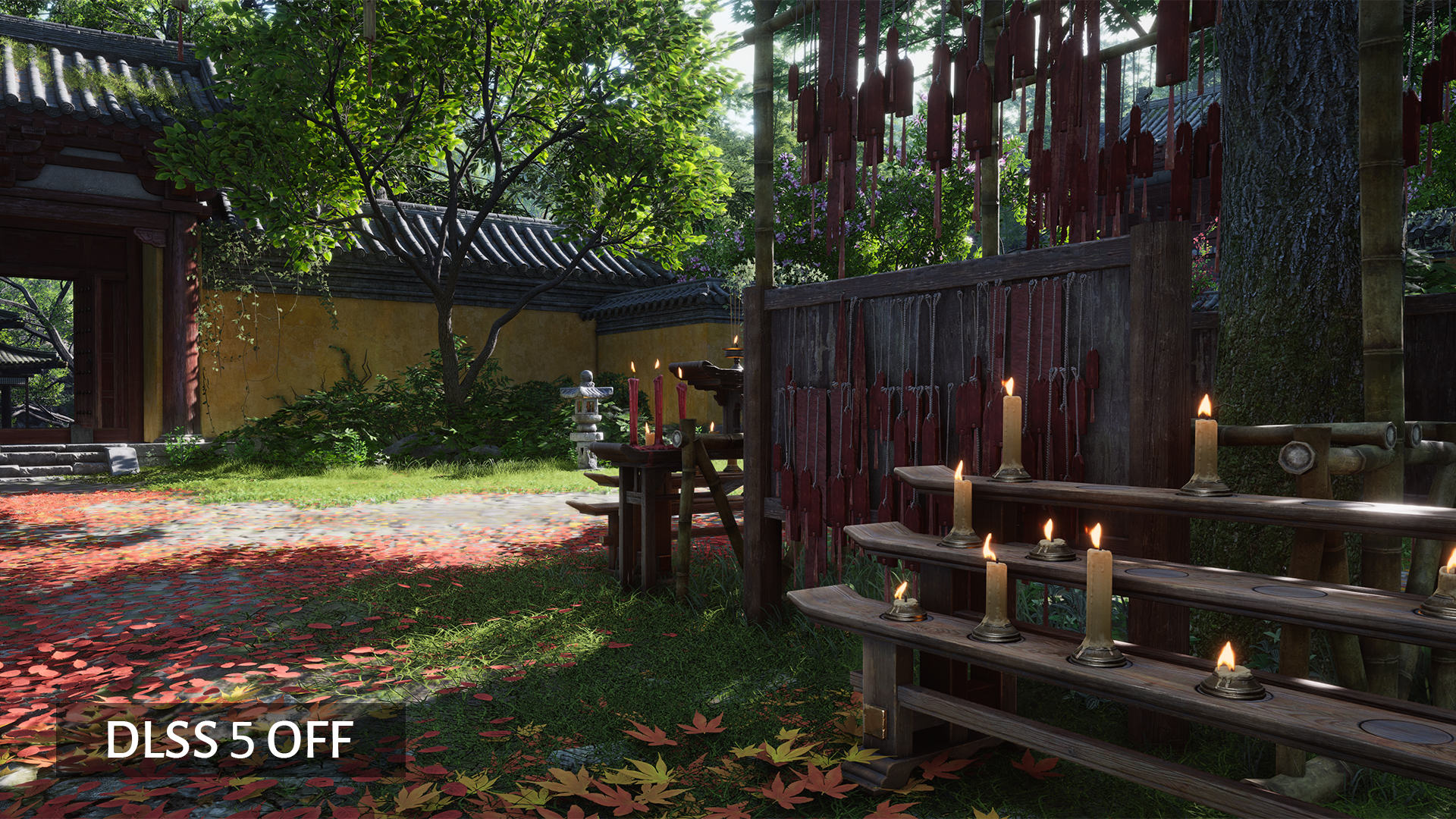
The light can change. The character still has to look like themselves.
Should you leave it on?
The studio acknowledges an added performance cost but gives no figures in its announcement. You can switch the effect off. I’d start by toggling it in the same spot as a character passes from sun into shade, then decide which look fits the game you want to see.
Official October showcase