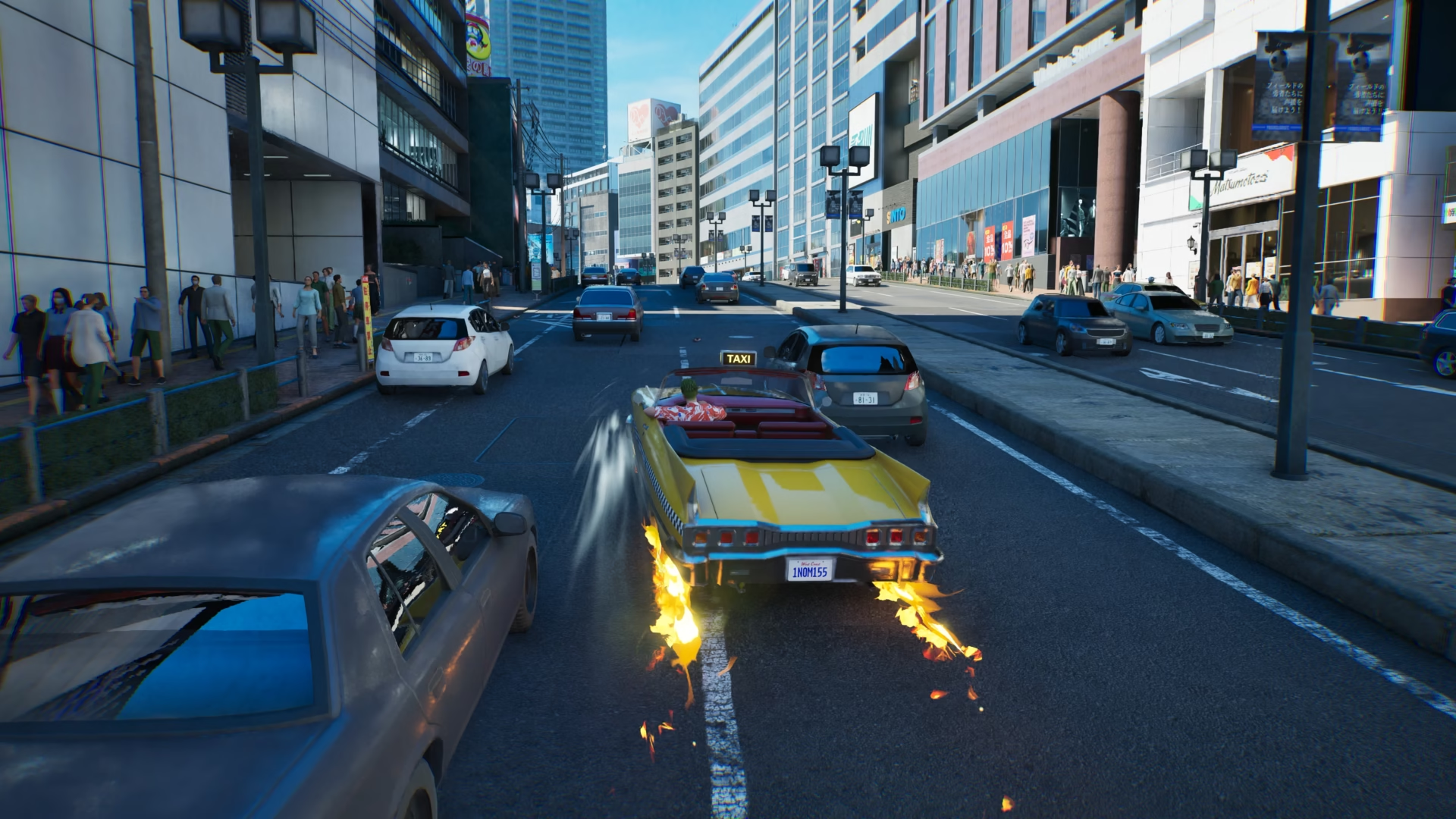
Crazy Taxi with patient waiting and sensible routes sounds like an honest day’s work. It also sounds like a game in need of a very charismatic receipt printer. World Tour’s developers appear to have reached their own limit with the respectable version.
In AUTOMATON’s October 8 interview, director Yo Momotani says an early, slower approach modeled real taxi operations. The team changed course, centering the timer and fast driving.
It is easy to see the attraction of the discarded approach on paper. Real taxi operations offer routines, rules and detail to model. But someone still has to enjoy the minutes spent following them. For this series, the more useful starting point seems to be a driver with somewhere to go and barely enough time to get there.
The next corner has a deadline
A countdown makes an ordinary junction urgent. Take the obvious street, risk a shortcut or spend a few precious seconds recovering from the previous mistake? The player can understand the problem at a glance, even while making a terrible decision about it.
That pressure gives a detour a price. With plenty of time, it could be sightseeing; with seconds disappearing, it becomes a wager on knowing the streets. There is no need for somebody on the radio to keep explaining that the journey matters.
The clock has handled the briefing.
Getting that pressure right will take more than restoring a timer. There needs to be room to recover from a wrong turn, and enough information to understand why a run failed. Otherwise, players learn to resent the clock rather than read the road.
A good countdown should make another attempt tempting.
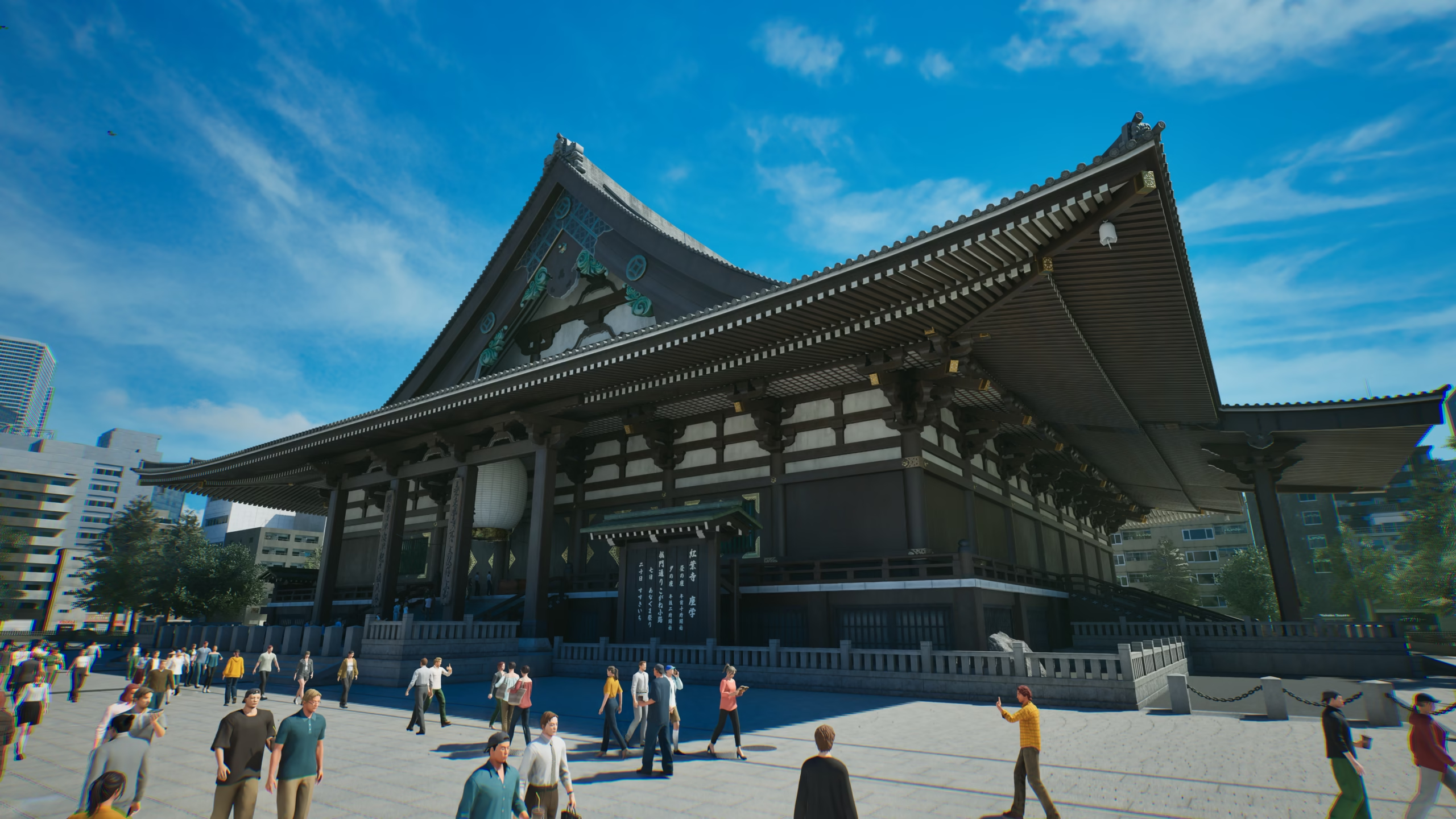
Five maps, one more turn
SEGA’s announcement places Japan among five campaign maps and gives the game a 2027 release window on PC, PS5, Xbox Series X|S and Switch 2.
Five maps will have to earn their space street by street. A huge district offers little if each junction presents the same choice. A smaller area can repay attention when traffic, turns and exits create different ways through. The interesting scale here is the distance between decisions: how long does the driver spend simply waiting for the next thing to happen?
Multiplayer complicates that equation. Momotani describes four taxis against two police, with fellow drivers able to rescue arrested teammates.
A rescue gives a driver a reason to abandon an immediate plan. Someone needs help, getting there takes time, and the way back may no longer be clear. That could produce the sort of improvised cooperation people remember after a multiplayer session. It could also leave them annoyed at having their drive interrupted. Distance and timing will do much of the work.
This is a reading of the announcements and interview, not a hands-on assessment. The change Momotani describes is encouraging because it puts a familiar pleasure back at the centre: seeing a chance, taking it and hoping the passenger forgives your judgment. More maps and modes will matter if they keep supplying those chances. A respectable journey can wait.
Got a different take? I’d love to hear it. hello@maisfps.com